Student Success Through Applied Research
Our mission is to produce and elevate research to reduce barriers, improve equity, and support student success in higher education. We do this through intentional partnerships with practitioners and policymakers in the field.

About the Lab
We believe that better academic research can expand college access and student success in lasting ways. We do this by collaborating with practitioners to develop and implement research studies addressing their specific needs and capacity constraints.
Research Areas
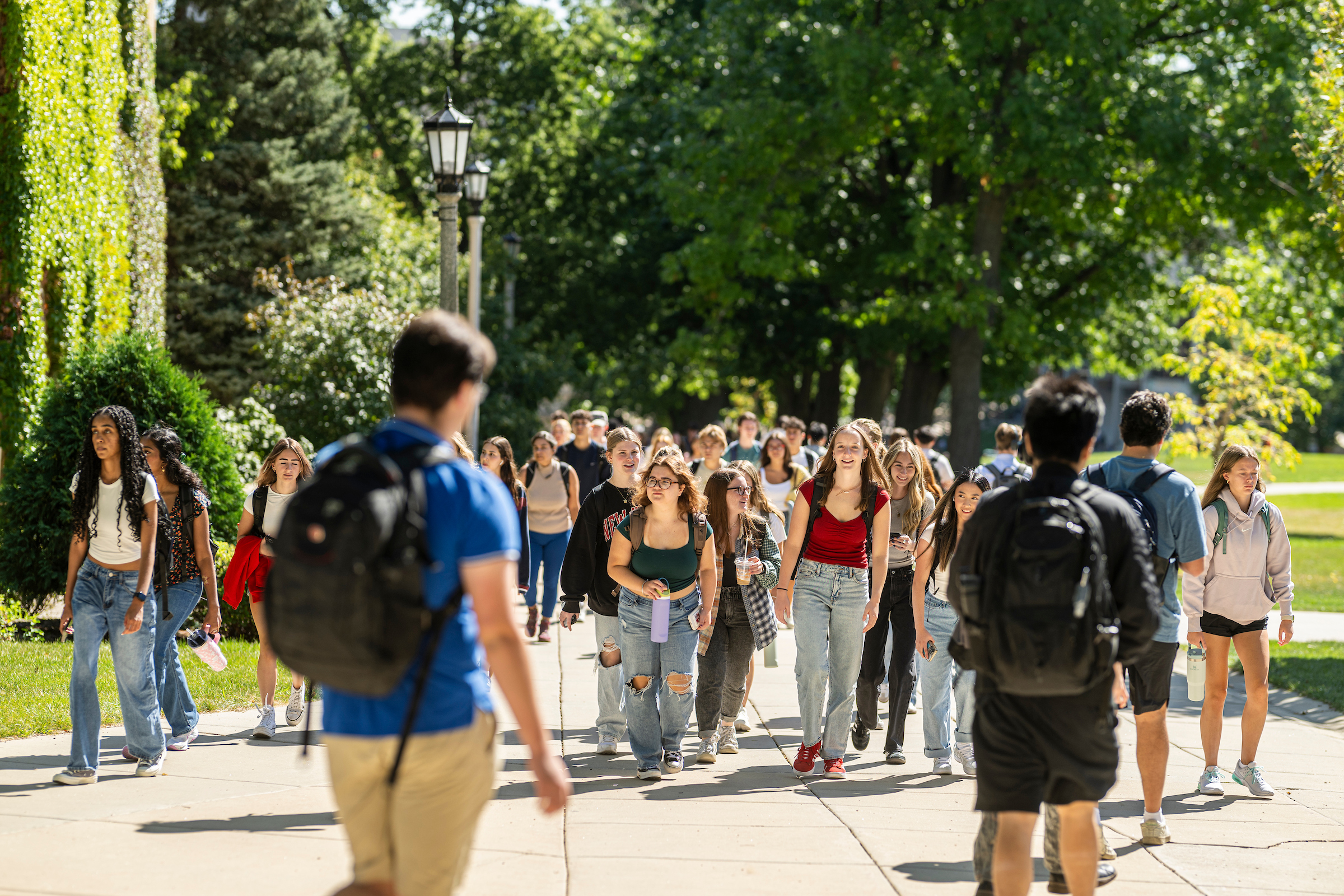
The SSTAR Lab conducts original research and evaluation on issues related to college opportunity and student success. Across all our work, we prioritize the practical side of research and promote ongoing improvement to better support current and future students.
SSTAR Lab Blog
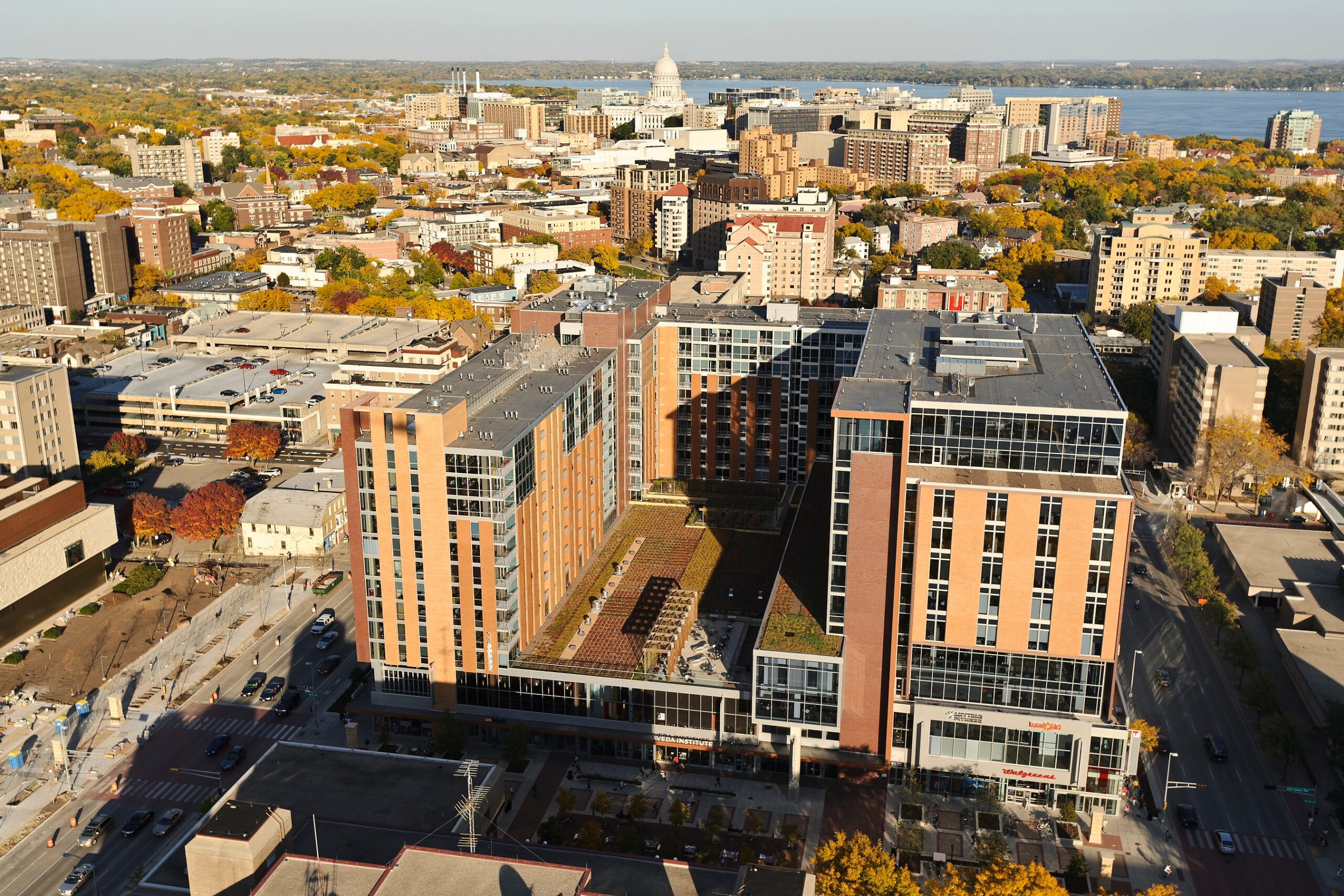
We use this platform to share current research and practical insights to reduce barriers, improve equity, and support student success in higher education. Whether you’re a researcher, practitioner, policymaker, or just someone interested in higher education research, we hope you find this site informative and useful!
Recent SSTAR Lab Publications
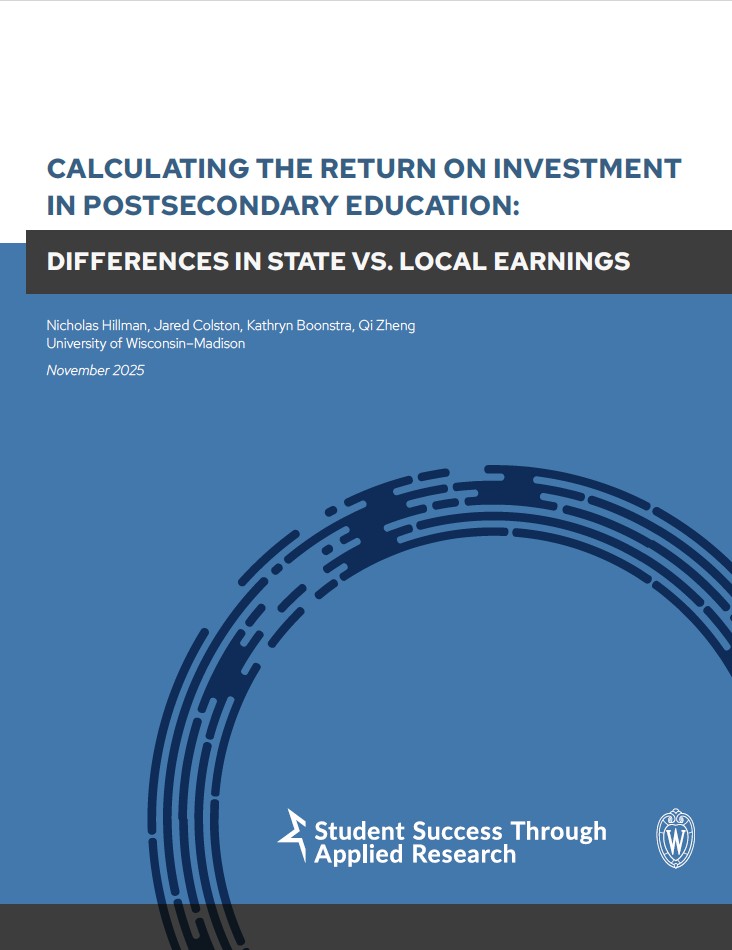
Calculating the Return on Investment in Postsecondary Education
SSTAR Lab examined return on investment (ROI) by comparing economic ROI at the state and local levels. Researchers built upon earlier definitions of economic ROI proposed by the Postsecondary Value Commission in 2021. This project also includes a comprehensive web-based tool.
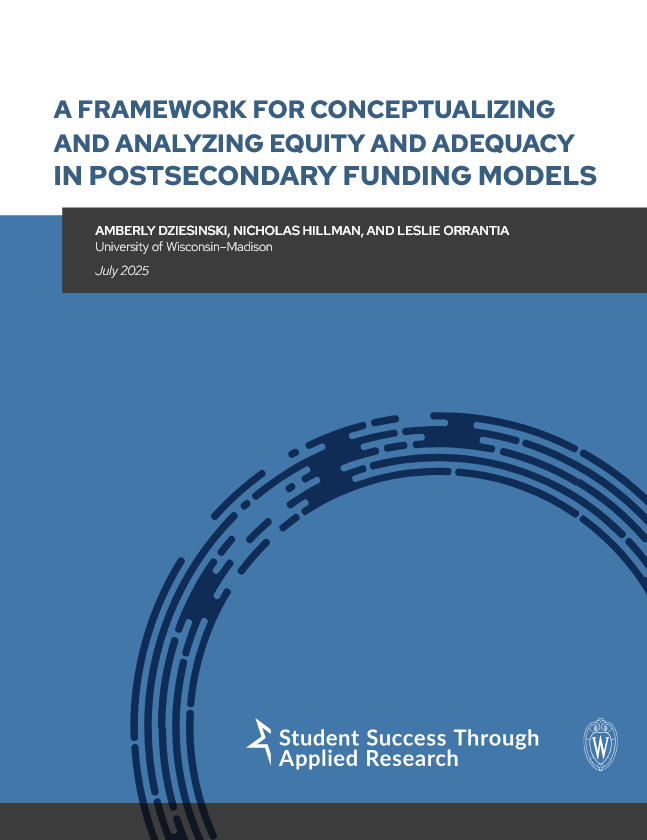
A Framework for Conceptualizing and Analyzing Equity and Adequacy in Postsecondary Funding Models
SSTAR Lab released a report titled A Framework for Conceptualizing and Analyzing Equity and Adequacy in Postsecondary Funding Models. This framework provides a structure to guide state policymakers and administrators in understanding, identifying, and assessing disparities in higher education funding.
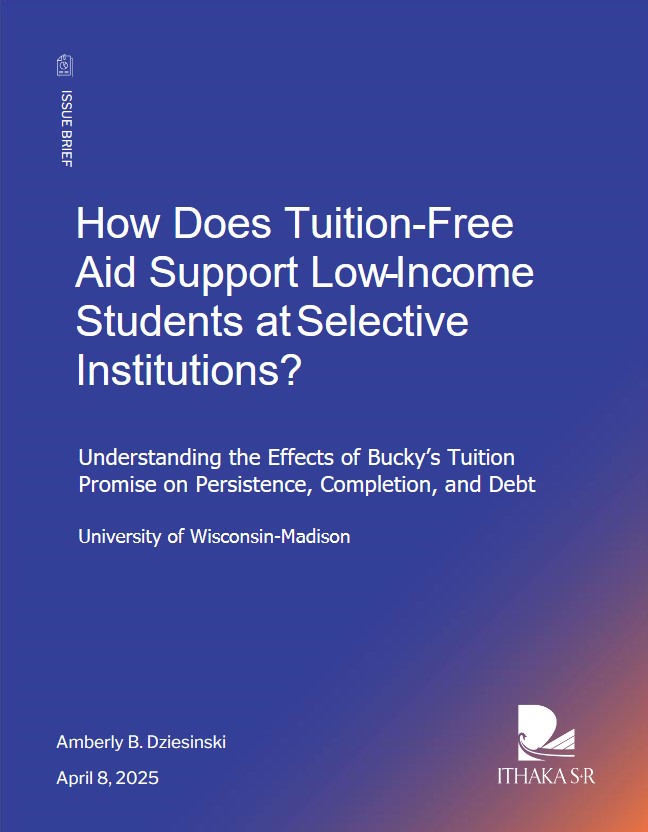
How Does Tuition-Free Aid Support Low-Income Students at Selective Institutions?
SSTAR Lab’s Dr. Amberly Dziesinski takes a look at the first cohort of Bucky’s Tuition Promise recipients and assesses retention into the second year, debt accumulated within four years, and graduation within four years.
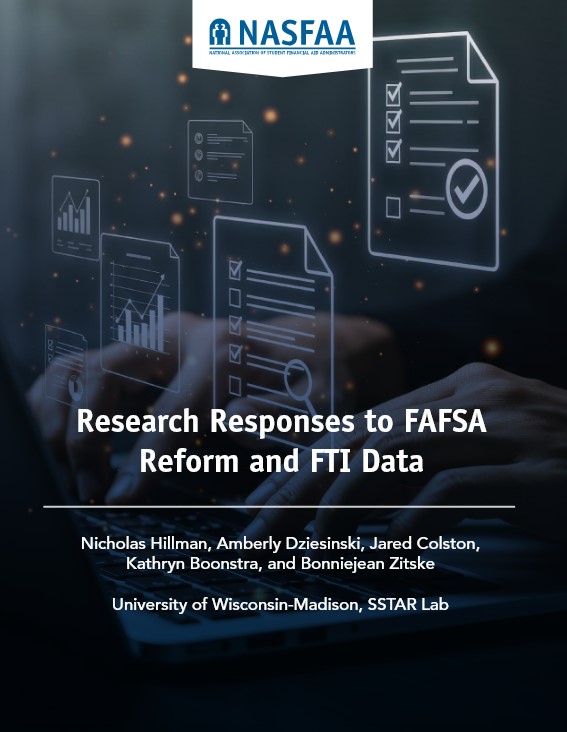
Research Responses to FAFSA Reform and FTI Data
SSTAR Lab reviews recent changes in FTI data related to FAFSA reform and offers context, examples of alternative measures, and lessons learned for researchers navigating FTI conversations. This brief was produced in partnership with the National Association of Student Financial Aid Administrators.
SSTAR Lab in the News
-
Student Loan Borrowers in Default Could See Their Wages Garnished
-
What the Trump Administration’s Latest Moves to Dismantle the Education Department Mean for Schools and Students
-
Local Income Data Improves College Return on Investment Calculations, UW–Madison Report Finds
-
Student Loan Debt: How to Pay Off Loans Faster
-
Student Loan Payments To Change From August 1: What To Know